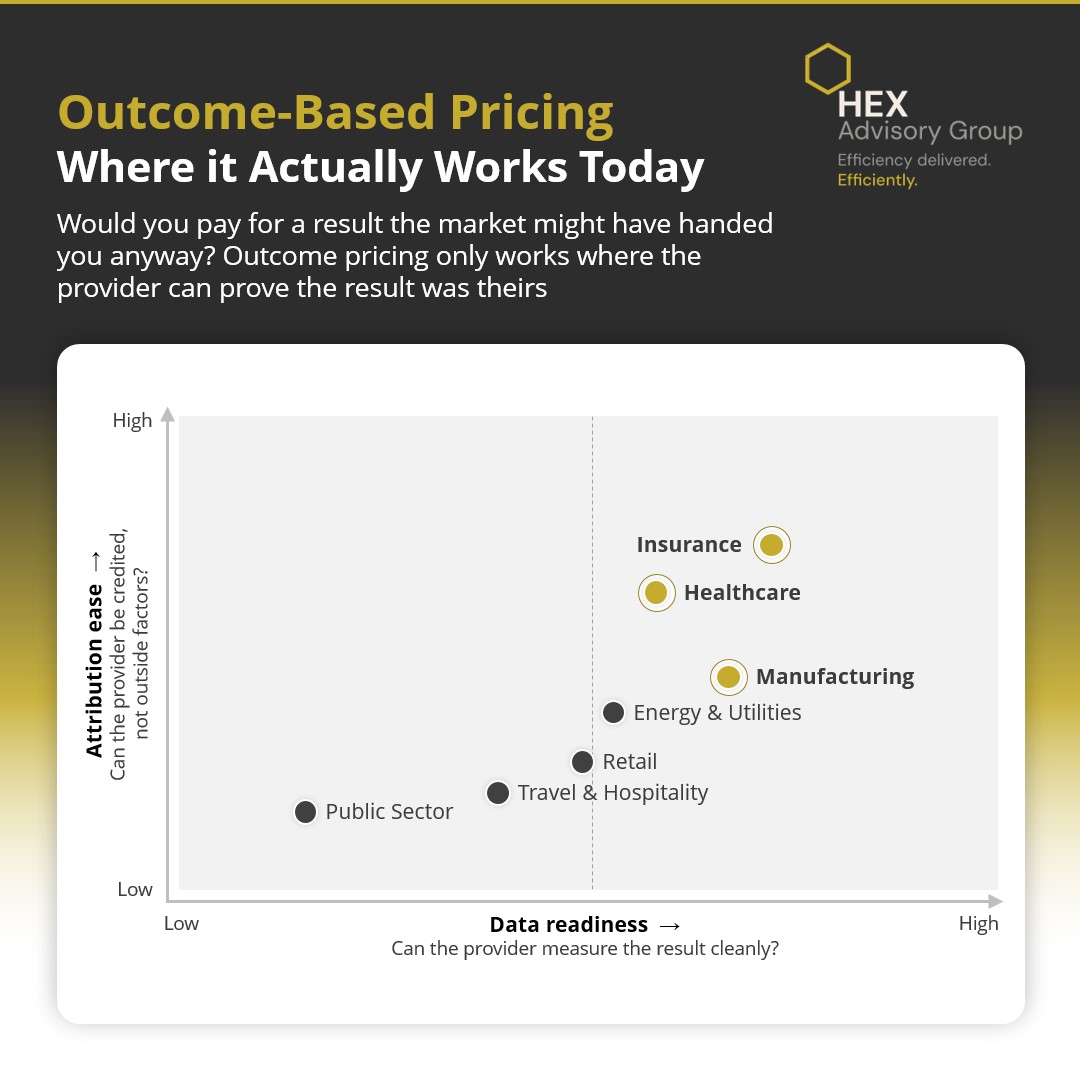
Not every capability needs to be built in-house.
The smarter question is: what should you own, and what should you buy?
The answer depends on where the capability creates differentiation and where scale, speed or efficiency matter more. Build deeply where the capability is core to your competitive advantage. Partner where others can deliver better, faster or at greater scale.
The goal isn’t to build everything yourself. It’s to make deliberate build-vs-buy choices that put investment where it matters most.
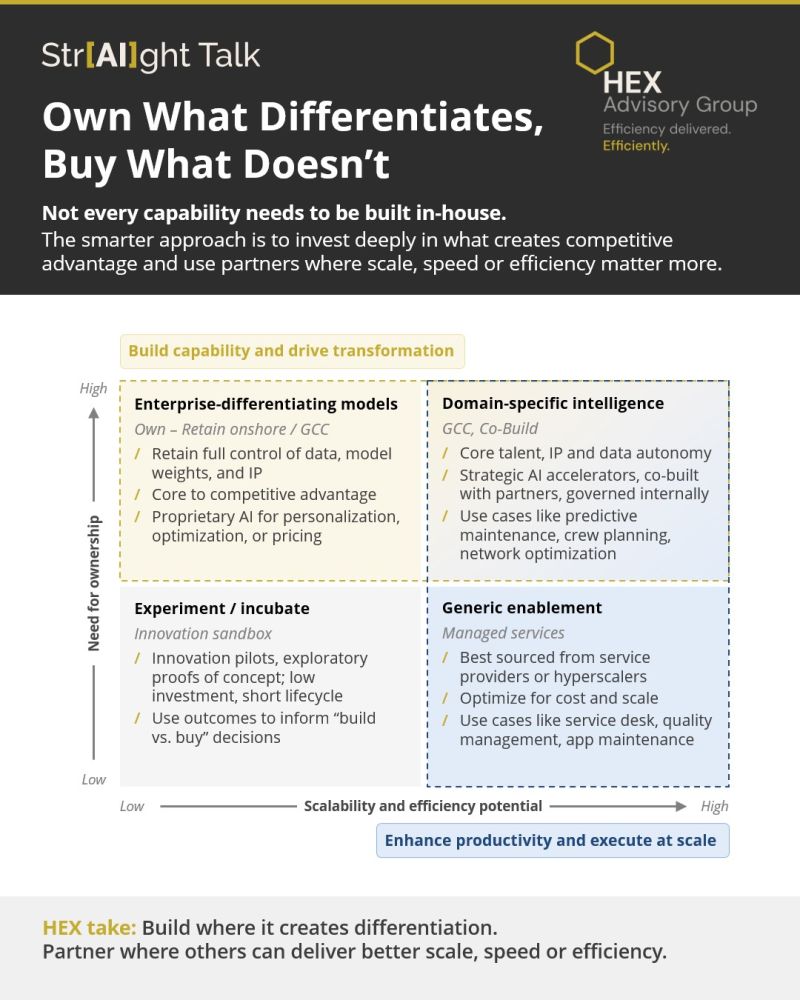
What took India’s first-generation GCCs 12-15 years to achieve can now happen in just 2-3 years.
Newer GCCs are entering the market with broader mandates, moving beyond IT faster, and reaching enterprise-wide scope much earlier. They are benefiting from years of experience and lessons from the first waves, allowing them to compress a journey that once took more than a decade.
For late movers, the advantage is not simply starting later. It is starting smarter.
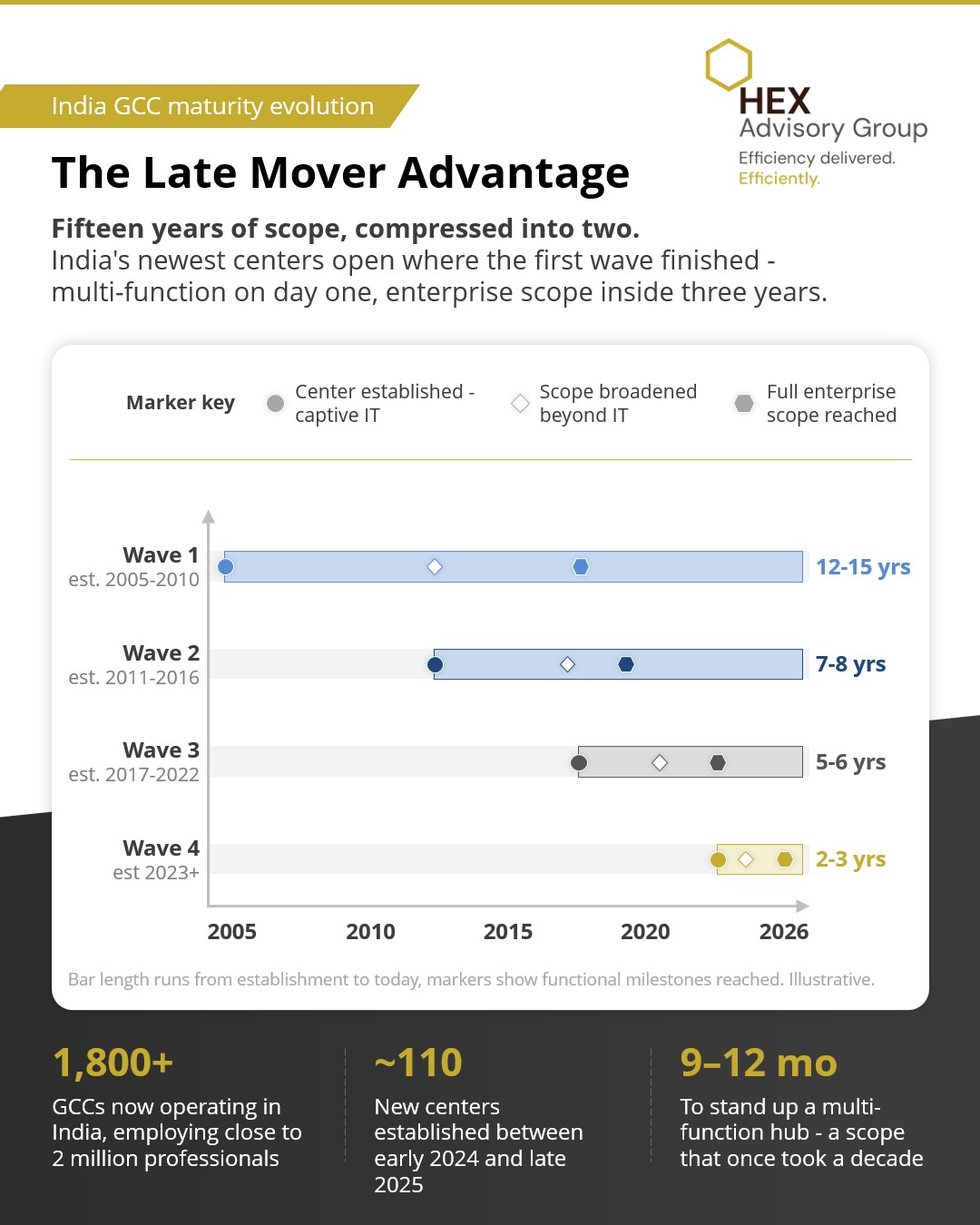
Most enterprises are asking where AI can create value.
An equally important question is who should build it.
Some functions are ready for managed services today. Others need a partnership model. And some remain core capabilities that enterprises should continue to own. The real opportunity comes from matching the operating model to the value AI can create, not applying the same approach everywhere.
#EnterpriseAI #ManagedServices #AIOperatingModel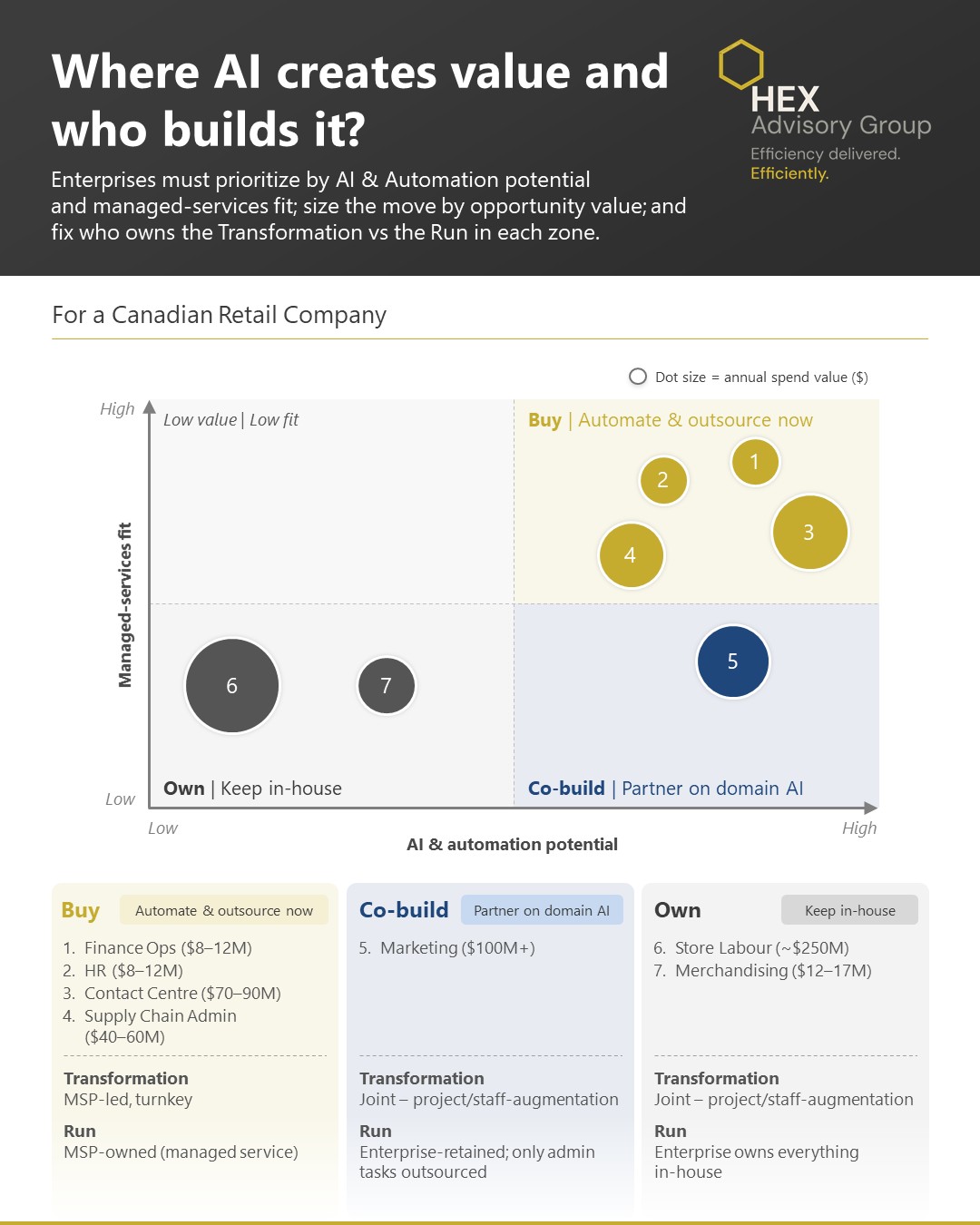
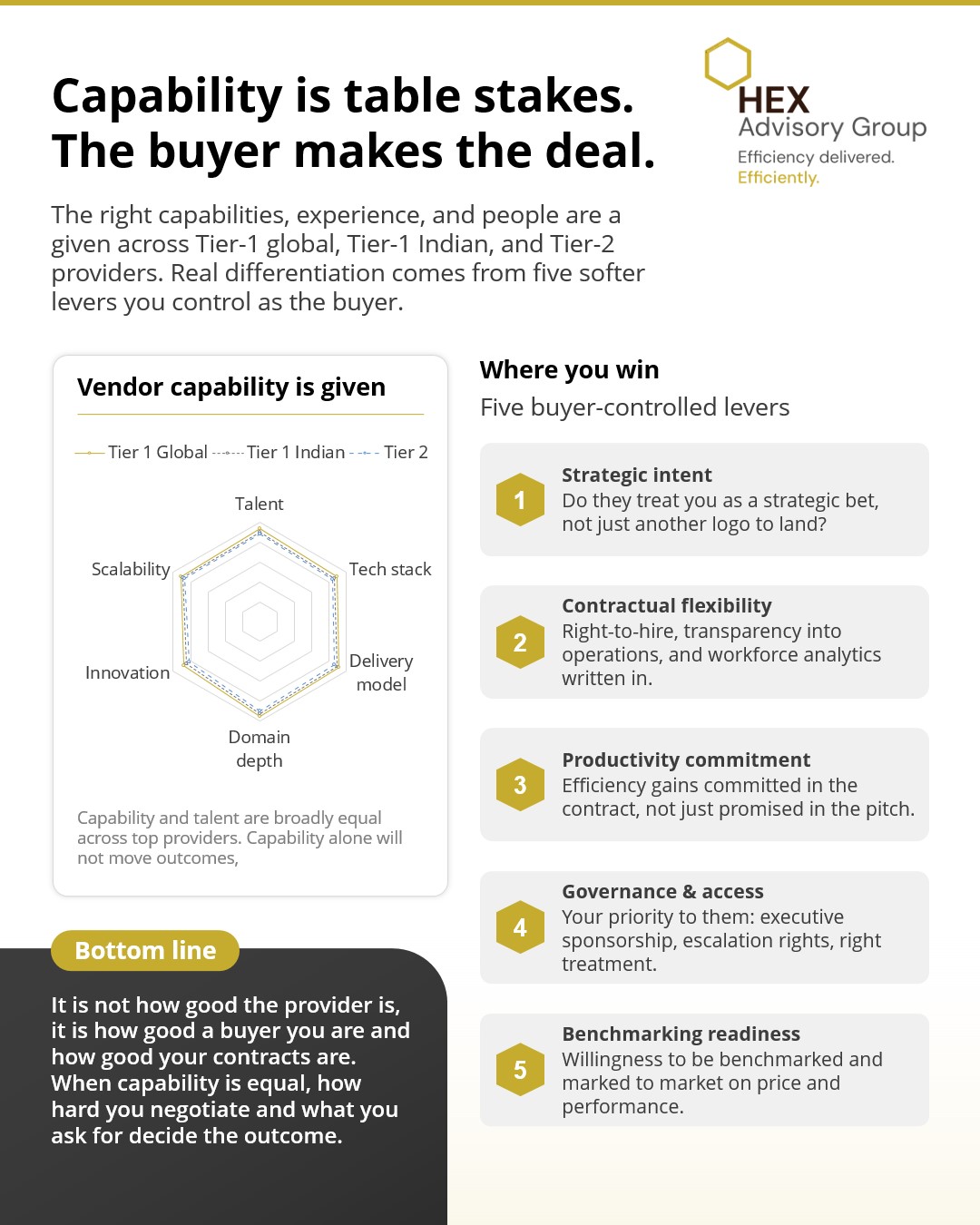
Every provider can talk about talent, technology, delivery models, and innovation. But the real difference rarely comes from capability alone.
When providers have comparable strengths, outcomes are shaped by the decisions buyers make before the contract is signed. Strategic intent, commercial flexibility, governance, productivity commitments, and a willingness to benchmark often determine whether a sourcing partnership delivers long-term value.
In a market where capabilities are similar, better buying becomes the differentiator.
#ITOSourcing #Procurement #CostTransformation
Every provider wants outcome-based pricing. Very few can survive it in the contract. The question was never whether outcomes matter. It’s whether anyone can prove who caused them.
Two things have to hold: the outcome must be measurable, and the provider’s contribution must be attributable. Insurance, healthcare, and manufacturing clear both bars. Public sector, retail, and travel often don’t, where external factors can outweigh provider impact.
Start where attribution is defensible. Everywhere else, layer outcome-based pricing on top of a strong baseline, not in place of one.
#OutcomeBasedPricing #SourcingStrategy #CommercialExcellence #HEXAdvisory